
Sauces & Basics
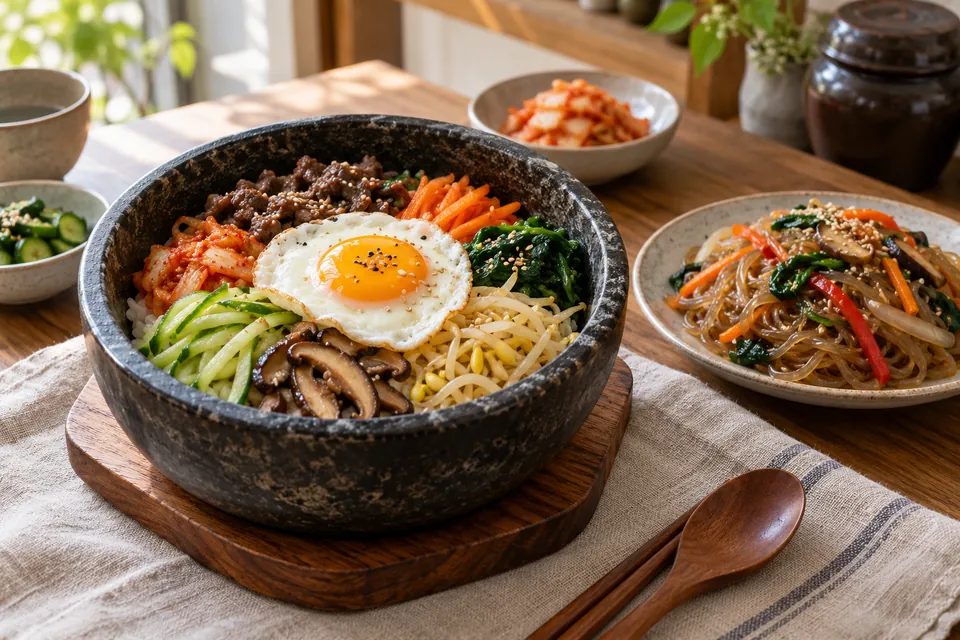
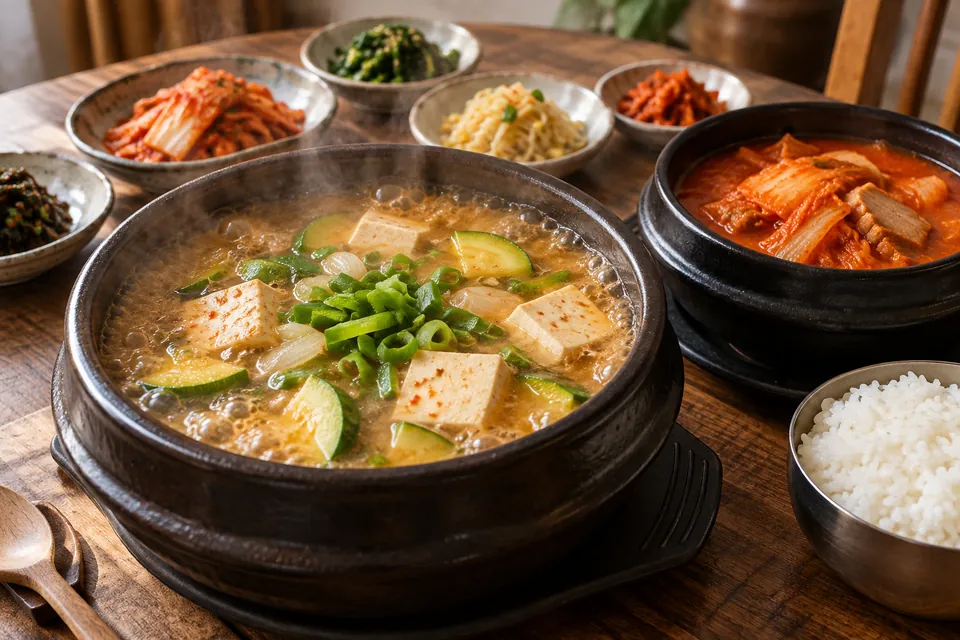
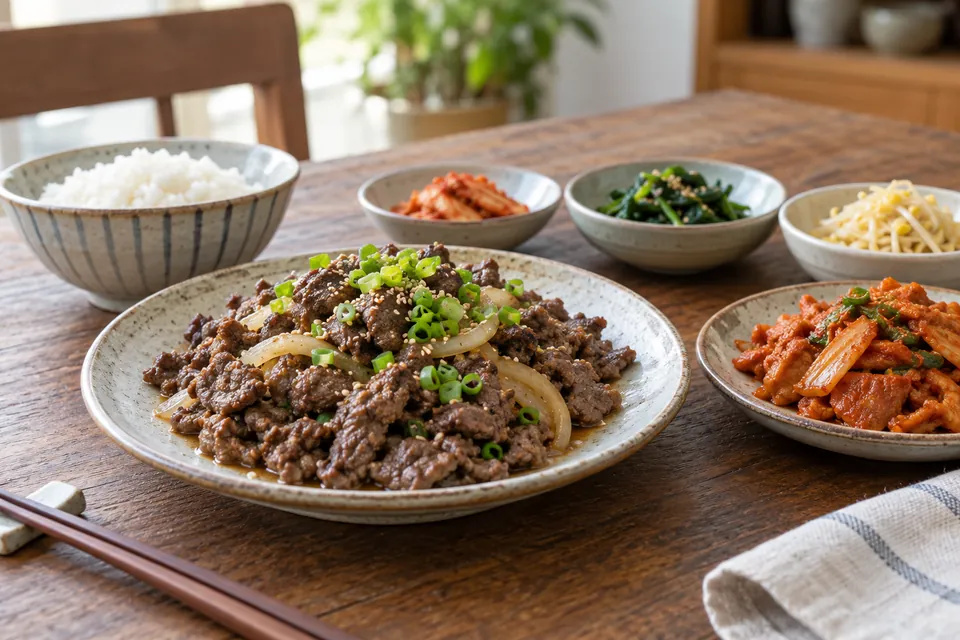
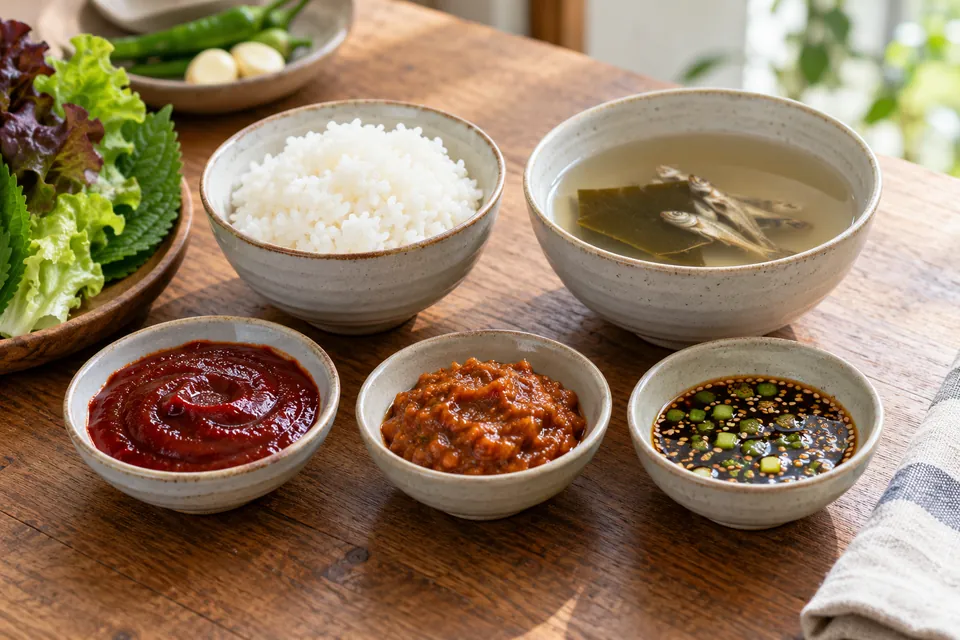
Foundational sauces and broths help you make a Korean meal without starting every dish from scratch. Ssamjang seasons lettuce wraps, a gochujang mixture adds heat to bibimbap, and anchovy-kelp stock provides a savory base for soups. Make only what you need and taste gradually because brands vary in salt and intensity.
Read individual recipes for quantities, yield and storage guidance when they are published. Doenjang and gochujang often contain soy and may contain wheat; anchovy stock contains fish, and sesame is common in dipping sauces. Check product labels and use clean utensils when storing leftovers.
No posts were found.